A complete guide to apex legends map rotation
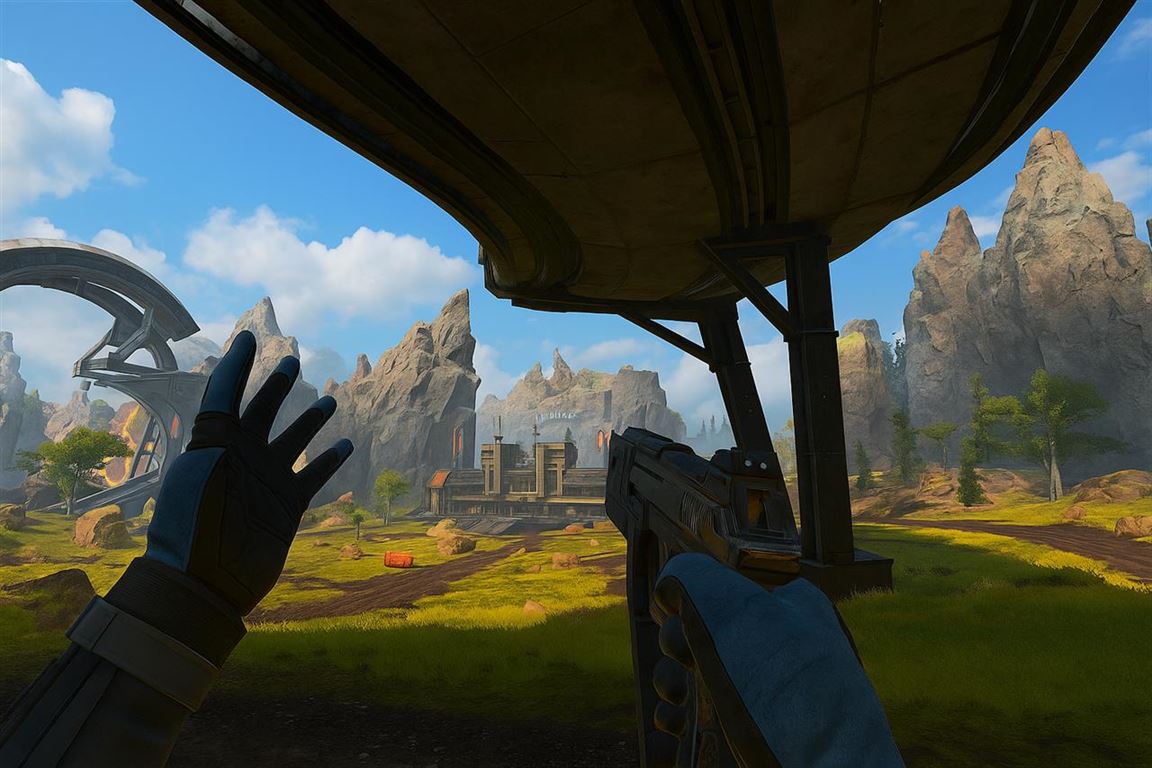
One of the most dynamic aspects of Apex Legends is its map rotation system, which keeps gameplay fresh and engaging. With multiple maps and time-based intervals, players are regularly challenged to adapt their strategies and movement depending on which arena they find themselves in. If you're looking for a deep dive into how the system works, check out this comprehensive guide on Apex Legends map rotation.
What is Map Rotation in Apex Legends?
Map rotation refers to the scheduled cycling of different playable maps in the game. Since Apex Legends features multiple maps, this system ensures that players get a variety of experiences throughout the day or season. The map currently played can significantly affect gameplay due to unique terrain, locations, and loot distribution.
The Current Pool of Maps
As of recent seasons, the main maps in the rotation are:
- Kings Canyon - The original map, known for its tight corridors and nostalgic landmarks.
- World’s Edge - A versatile map with diverse biomes and vertical gameplay.
- Olympus - A sleek, futuristic map with lots of open areas and high-speed movement potential.
- Storm Point - The largest map, emphasizing exploration, elevation changes, and mobility.
- Broken Moon - A recent addition offering fast travel through ziprails and a lunar setting.
How Rotation Works in Different Modes
The rotation varies depending on the game mode. Here’s a breakdown:
Ranked Mode
In Ranked, the map changes once per split. Each ranked season typically has two splits, and each one is tied to a specific map. This gives competitive players ample time to learn and master the terrain.
Public Matches (Pubs)
For public matches, maps rotate approximately every 90 minutes. This fast cycling ensures that casual gamers get to experience all available maps without having to commit to long hours of play. Maps cycle automatically, so players have no control over which one is active at any given time.
LTM and Events
Limited-time modes (LTMs) and themed events sometimes introduce old or modified versions of maps. These are usually outside the standard rotation and are available only for the duration of the event.
Why Map Rotation Matters
Understanding map rotation is crucial for players seeking to improve. Each map promotes different playstyles. For example, Olympus requires awareness of open areas and vehicle usage, whereas Kings Canyon often favors close-quarters combat due to its limited space and height differentials.
Skillfully adjusting your strategy based on the current map can mean the difference between an early elimination and a final ring victory.
Loot Distribution and Drop Zones
Not all maps are created equal when it comes to loot. Knowing the high-tier loot zones and popular drop areas is essential. For example, Fragment East and Fragment West in World’s Edge are hotspots, while Zeus Station on Broken Moon offers great loot with moderate competition.
Staying Up to Date
Map rotation is regularly updated, typically with the release of a new season or mid-season patch. Staying informed about the latest changes will help you plan better sessions and practice specific maps that align with your strengths or goals.
Sites like Apex Legends map rotation are valuable resources for real-time updates and breakdowns. Additionally, in-game menus provide a countdown to the next map change, helping players coordinate their drop-ins more effectively.
Conclusion
The map rotation in Apex Legends is a key feature that keeps gameplay unpredictable and thrilling. By understanding how the system works and staying aware of the current and upcoming maps, players can better prepare for each match. Whether you're playing Ranked or Pubs, adapting to the arena is just as important as mastering your legend.